Critical Information
K-12 teachers report the highest burnout rate of all U.S. professions, with more than four out of every 10 teachers noting that they feel burned out "always" or "very often" at work, according to a June 2022 Gallup poll.
Two modes for promoting resilience
Synchronous solutions…
The overarching goal of this program is retention. Through stress inoculation, faculty will use our unique Resilience Rubric, to prepare for the challenges of being an educator, causing burnout. Each member will construct a unique Prosilience Plan that helps identify and remediate risk factors, generated in both their personal and professional lives. There are two options:
Option #1 (Trailblazers): Each school identifies faculty with the greatest potential for success. These faculty members are led through a six month program to develop skills to help them become more successful. These faculty members will resonate success, inspiring others to greatness. In the second year, Resilience Advocates (RA's) will learn how to bring this work into their classrooms to promote student success.
Option #2 (New Hires): Faculty in their first two years of employment with the district. Our meetings will occur on the last Tuesday of each month (holiday exceptions), from 2:30-3:15, lasting approximately 45 minutes. During this time, an expert facilitator will guide the group through a combination of content and process, helping form an invaluable support net
Asynchronous solutions…
include on-demand video engagements on a range of topics from behavioral health to physical wellness. Faculty (and parents) can learn the rubric for developing greater resilience, to reduce stress and increase longevity. Enjoy a video montage on preventing burnout from our on-demand video engagements.
On-demand virtual engagements

School Law: Teacher Freedom of Expression Part III
This is the third section of a three-part course on teachers' freedom of expression. It provides teachers with an understanding of their protections under the First Amendment.

Social Emotional Learning Part I: Overview
SELFIE means Social Emotional Learning For Individual Educators. Psychological health requires these skills to meet needs our (SEL). Embody this work for you and your students.
Social Emotional Learning Part II
Our growing dependency on technology means shrinking attention to our bodies. For children, this can make it more difficult to recognize their wants and needs, leading to long term problems.
Social Emotional Learning Part III
Our first step when intervening with a child is to assess their difficulty with feelings or behavior. We nearly always opt for behavior when the reality is a lack of ability to regulate emotion.
Social Emotional Learning Part IV
When students call out in class or kids interrupt you when you are speaking, is often due to their difficulty containing feelings. Helping them learn to be patient is critical to their growth.
Social Emotional Learning Part V
Examine the integration of our less- desirable selves and the use of self-reflective practices in the pursuit of growing self-worth/ identity. Self-reflective practitioners inspire students.
Social Emotional Learning Part VI
Children of all ages are on a quest for a sense of self. Middle and H.S. students especially, struggle every day to balance their needs for acceptance with uniqueness, while growing self-worth.
Social Emotional Learning Part VII
The omnipresent fear of school violence makes understanding aggression an essential element of educating and parenting. Learn different types of aggression as part of child development.
Success Stories
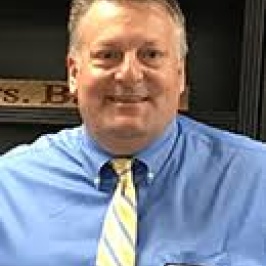
"Whole School Health Through Psychosocial Emotional Learning highlights the importance of relationships, communication, and compassion for others. It presents a critical view in supporting, training, and retaining teachers through the lens of engaging and modeling behaviors that will help our rural students be better civic leaders and community members. My favorite quote from the book gives credit to the author's upbringing and modeling from his parents: 'We must experience the world through others so we can fully engage in educating all children. My father and mother modeled to me and my siblings how to experience the world through somebody else’s eyes, especially if their outer differences stirred up discomfort or displeasure, enriching all lives involved.' I recommend all leaders, teachers, and stakeholders secure their copy as they prepare for school."
Allen Pratt, Executive Director, National Rural Education Association (NREA)